The All-In Guide: Top Poker Films From Rounders to Molly’s Game
From the high-stakes tension of underground clubs to the glittering casinos of the silver screen, poker has long been a cinematic goldmine for drama and character. It’s a world where fortunes are won and lost on a single card, where a fleeting glance can betray a secret, and where the ultimate gamble often extends far beyond the felt of the table. For fans of British casino films and gambling movies, the UK’s rich cinematic history offers a fascinating lens through which to view this captivating genre. This guide deals a hand of the most compelling poker films, from gritty American classics to stories steeped in British film culture and the iconic James Bond casino scenes that have defined sophistication and suspense for generations.
The Modern Poker Classic: Why ‘Rounders’ Still Deals
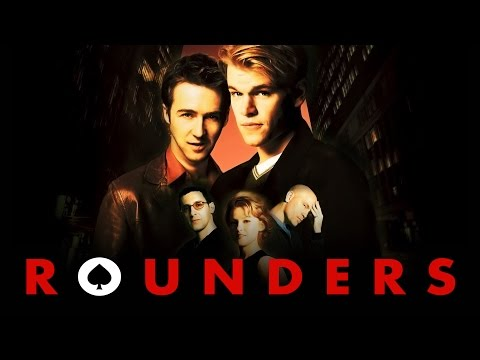
Before the online poker boom captivated millions, the 1998 film ‘Rounders’ provided a raw, authentic blueprint for the modern card player’s imagination. Starring Matt Damon as reformed law student Mike McDermott and Edward Norton as his dangerously charismatic friend Worm, the film delves into the underground world of high-stakes Texas Hold’em. Its cult status within poker culture is undisputed, often cited as the movie that inspired a generation to take up the game seriously.
The Authenticity of the Play
Unlike many of its predecessors, ‘Rounders’ treats poker not as a backdrop for glamour, but as a skilled craft. The terminology is precise, the strategies are discussed with reverence, and the hands themselves are narratively crucial. Viewers learn about pot odds, table image, and the punishing reality of a ‘bad beat’ alongside Mike. This commitment to realism grounds the film, making every raise, call, and fold feel laden with consequence.
Mike McDermott’s Redemption Arc
At its heart, ‘Rounders’ is a story of redemption and identity. Mike’s journey—from a promising student who swears off cards to a man who must re-enter the underworld to save his friend—is a classic arc. The poker table becomes the arena where he must reconcile his prodigious talent with the destructive lifestyle it enables. His final confrontation with Russian mobster Teddy KGB isn’t just about winning a pot; it’s about proving he can outthink the demons of the game and reclaim his future on his own terms.
High-Stakes True Stories: ‘Molly’s Game’ and Real-Life Drama
Moving from fiction to astonishing fact, Aaron Sorkin’s 2017 directorial debut ‘Molly’s Game’ chronicles the incredible true story of Molly Bloom. Based on her memoir, the film traces her journey from Olympic-class skier to the orchestrator of the world’s most exclusive and lucrative high-stakes poker games, attracting Hollywood royalty, business titans, and, eventually, the unwanted attention of the FBI.
From Olympic Hopeful to Poker Princess
Molly’s story is one of ruthless ambition and sharp intellect. After a career-ending injury, she stumbles into running a poker game in Los Angeles, leveraging her organisational skills and discretion to create an unparalleled experience. The film masterfully depicts her ascent to the pinnacle of this clandestine world, where the buy-ins are in the millions and the clientele demands absolute secrecy. Her eventual move to New York, and the games’ subsequent corruption by mob elements, forms the tense core of the narrative.
Sorkin’s Snappy Dialogue and the UK Connection
Aaron Sorkin’s signature rapid-fire dialogue is the perfect vehicle for this story of wit, legal wrangling, and high finance. While the film spans continents, a significant part of Molly’s operation—and her legal troubles—has ties to the UK’s gambling scene. Although not filmed on location, the narrative’s shadow extends to prestigious venues like The Hippodrome Casino London, emblematic of the real-world, high-roller environments that such stories inhabit. The film is a compelling entry in the canon of gambling movies with a transatlantic flavour.
The James Bond Gamble: Casino Royale’s Iconic Poker Scene
No discussion of casino cinema is complete without 007. In rebooting the franchise with 2006’s ‘Casino Royale’, the filmmakers made a pivotal choice: they swapped Baccarat for Texas Hold’em. This decision modernised Bond for a new era and resulted in one of the most tense and iconic poker sequences in film history, set at the legendary Casino de Monte-Carlo.
A High-Stakes Reboot for Bond
The poker tournament wasn’t merely a set piece; it was central to the film’s mission to present a more rugged, vulnerable Bond. Here, 007 isn’t just a suave agent; he’s a skilled tactician whose psychological fortitude is tested as severely as his physical prowess. The villain, Le Chiffre, is a financier of terrorism, making the stakes global. Bond’s mission to bankrupt him at the table is a battle of wits and nerve, framed by the stunning, old-world opulence of the casino.
The Tension of the Final Hand
The climax of the film rests on a single, agonisingly drawn-out hand. Bond’s all-in call with a straight flush against Le Chiffre’s full house is a masterclass in suspense-building. The silence of the room, the close-ups on sweating brows, the slow reveal of the cards—it’s cinematic poker at its absolute peak. This scene single-handedly cemented poker’s ‘cool’ for a new generation and remains the definitive James Bond casino scene for many purists.
British Takes on the Card Table: Homegrown Gambling Films
While Hollywood often dominates the genre, British film culture has produced its own distinctive takes on gambling drama, offering grittier, more character-driven narratives often set against the backdrop of the UK’s unique social landscape.
Classic British Gambling Cinema
Though starring American Steve McQueen, 1965’s ‘The Cincinnati Kid’ is steeped in the traditions of classic gambling drama and features a powerhouse performance from the legendary Edward G. Robinson as the veteran card sharp Lancey Howard. Its influence on the genre is profound. More quintessentially British is 1974’s ‘The Gambler’, a darkly comic film starring Michael Aspel, which explores obsession and debt in a distinctly London setting. These films prioritise the psychological toll of the gamble over pure glamour.
The London Underground in ‘Shade’
The 2003 film ‘Shade’, starring Stuart Townsend, Thandie Newton, and Sylvester Stallone, offers a modern glimpse into the world of hustlers and card mechanics. Set in the Los Angeles poker scene, its style and the underworld dynamics have clear parallels with stories from London’s own hidden gambling rings. It speaks to a universal trope in gambling cinema: the shadowy, interconnected world of grifters who operate just beneath the surface of respectability, a theme often explored in UK crime cinema.
What Makes a Great Poker Film? Tells, Tension and Character
Beyond the cards and chips, the most enduring poker films share a common set of ingredients that transform a game into gripping cinema. These elements are what keep audiences on the edge of their seats, regardless of their familiarity with the rules.
The Psychology of the ‘Tell’
The physical ‘tell’—a subconscious gesture that reveals a player’s hand—is a cornerstone of poker cinema. It externalises the internal psychological battle. Great films use the tell as a narrative device:
- In ‘Rounders’, Mike reads Teddy KGB’s Oreo cookie habit as a sign of stress.
- In ‘Casino Royale’, Bond’s ability to detect Le Chiffre’s ‘tell’ (a bleeding eye) is crucial to his victory.
- The search for a tell becomes a metaphor for understanding an opponent’s character, turning each hand into a scene of dramatic revelation.
The Climactic Final Hand
The structure of a poker tournament, culminating in a winner-takes-all final hand, provides a perfect natural climax. The suspense is built through:
- The raising stakes, both monetary and personal.
- The cross-cutting between players’ faces, hiding their emotions.
- The slow, ceremonial reveal of the cards, often in extreme silence.
- The aftermath, where the true cost or reward of the gamble is revealed in the characters’ reactions.
This format creates a self-contained dramatic arc within the larger film, a guaranteed pulse-raiser executed to perfection in films like ‘Casino Royale’.
Ultimately, the best poker films, from cult favourites to Bond blockbusters, succeed by showing us that the real game is always played in the characters’ hearts and minds. The cards are merely a conduit for exploring ambition, fear, ego, and redemption. Whether in the underground clubs of New York, the private salons of London, or the opulent halls of the Casino de Monte-Carlo, these stories remind us that the most significant risks we take are always personal.