High Stakes: A Guide to British Films About Gambling and the Underworld
The British film industry has a long and compelling fascination with the high-stakes world of gambling, where fortunes are won and lost in the blink of an eye. From the smoke-filled elegance of a Mayfair club to the grim, neon-lit reality of a high street betting shop, our cinema has used the roll of the dice and the turn of a card as a powerful metaphor. These stories explore national character, class, crime, and the very human compulsion to risk it all, painting a complex portrait of a nation both enamoured and repelled by the lure of chance.
The Allure of the Card Table in British Cinema
Gambling is woven into the fabric of British social history, and its cinematic portrayal acts as a mirror to shifting attitudes towards class, morality, and luck. Films have consistently used specific games as narrative engines. Baccarat, with its aura of European sophistication and silent tension, and Poker, a game of psychological warfare and bluff, become more than pastimes; they are stages upon which character is laid bare and destinies are decided.
From Gentleman’s Clubs to Backroom Dens
The setting of the gamble is paramount. Early British cinema often depicted the exclusive gentleman’s club, where aristocrats staked fortunes on a hand of chemin de fer with quiet decorum. This contrasted sharply with the emergence of the backroom den or illegal ‘spieler’, a gritty, democratic space where the underworld mingled with the desperate. This dichotomy highlights the UK’s class divisions: the same fundamental act of betting is rendered either as a noble pursuit or a sordid vice, depending on the wallpaper and the company kept.
The Psychology of the Bet
At its core, the gambling film is a study in psychology. The British lens focuses not just on the thrill of victory, but on the tic, the sweat, the calculated risk, and the devastating tell. The camera lingers on a character’s eyes as they assess their hand, revealing avarice, fear, or a desperate hope. This internal drama transforms a simple game into a profound exploration of human nature, asking what we are willing to risk when the odds are stacked against us.
The Gritty Underworld: British Crime and Gambling Films
For the British crime genre, gambling is the economic engine of the underworld. The illicit casino and the bookmaker’s ledger are where cash flows, power is brokered, and violent destinies are sealed. These films strip away the glamour to expose a world where betting is a business, and the house always wins—through intimidation if necessary.
London’s Gangland and Betting Rackets
Films like ‘The Long Good Friday’ anchor their plots in the redevelopment of London’s docklands and the criminal empires built on betting and protection rackets. The illegal casino is a key asset, a symbol of territorial control. Similarly, ‘Performance’ delves into the psyche of a gangster on the run, using gambling metaphors for his chaotic life. This tradition continues in modern portrayals; for instance, Ray Winstone’s portrayal of a violent bookmaker in ‘The Business’ (2005) is a classic example of the London gangland film, where settling a bet is never just about the money.
The Corrupt Bookmaker Archetype
A staple character in this gritty landscape is the corrupt bookmaker. Often a local fixture who has overextended his credit or rigged the game, he becomes the catalyst for violence or the target of a desperate punter’s rage. He represents the systemic, everyday nature of gambling-related crime, operating in the grey area between a legitimate service and outright exploitation, and his fate is often a barometer for the film’s moral resolution.
James Bond and the Iconic Casino Royale Scenes
No discussion of British gambling films is complete without Agent 007. The casino is Bond’s natural habitat, a glamorous battlefield where he uses wit, nerve, and a deep understanding of the game to defeat his adversaries. The stakes are literally global, and the games are elegant tests of his mettle.
Bond, Baccarat, and the Birth of a Spy
In the early Connery films, Baccarat was the game of choice. The iconic match against Le Chiffre in ‘Dr. No’ established the template: the cool demeanour, the high-limit table, and the game as a proxy for Cold War conflict. It was a ritual of sophistication and lethal intent. It’s worth noting that the famous casino scenes in the 2006 ‘Casino Royale’ reboot were filmed at the Grandhotel Pupp in Karlovy Vary and the Reform Club in London, blending European grandeur with British institutional gravitas.
Poker, Vesper Lynd, and Emotional Stakes
The 2006 reboot masterfully updated the gamble for a new era, swapping Baccarat for Texas Hold’em Poker. This wasn’t merely a trendy choice; Poker’s emphasis on bluff and reading opponents perfectly mirrored the film’s themes of betrayal and emotional vulnerability. The high-stakes game at the Casino Royale is where Bond is financially and physically broken, only to be rebuilt—both by his victory and his relationship with Vesper Lynd. Here, the ultimate risk isn’t the loss of the mission’s money, but the loss of his own heart.
Comedy and Caper: Lighter Takes on UK Gambling
Not all British gambling films dwell in darkness. The national talent for comedy and the heist caper has often found a perfect foil in the world of the bet. These films celebrate the cunning plan, the loveable rogue, and the sheer absurdity of wagering everything on a long shot.
Key studios and titles in this sub-genre include:
- Ealing Studios: The iconic British studio produced comedies that often featured whimsical bets and wagers, driving plots with gentle mischief.
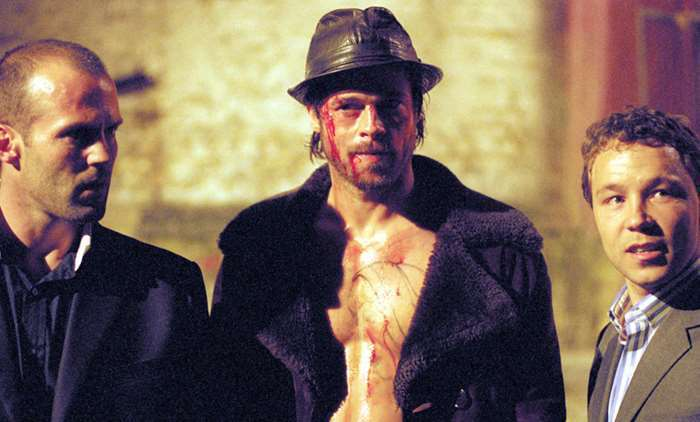
- ‘Lock, Stock and Two Smoking Barrels’: Centres on a disastrous high-stakes three-card brag game, the debt from which sets the entire chaotic plot in motion.
- ‘The Italian Job’ (1969): While a heist film, its climax hinges on a precarious bet on the weight capacity of a coach, perfectly blending tension with dark humour.
The Sting and the Comic Relief
These films often revolve around the ‘sting’—an elaborate con or fix designed to rig the game. The pleasure for the audience comes from watching the complex plan unfold, often with hilarious unintended consequences. The gambling den becomes a theatre of absurdity, where hardened criminals are outwitted by cheeky chancers, and the biggest gamble is whether the gang can stop arguing long enough to pull off their scheme.
The Loveable Rogue Gambler
This genre gives us the anti-hero gambler: charming, perpetually broke, and blessed with more luck than sense. He is often pitted against a more sinister criminal element, using his knowledge of the game and street-smart wit to level the playing field. We root for him not because he is moral, but because his audacity and flawed charm represent a rebellious, if risky, spirit.
Modern Portrayals: Problem Gambling and Social Realism
Contemporary British cinema has increasingly turned its lens to the devastating reality of gambling addiction, moving beyond gangsters and spies to the solitary punter in the betting shop or alone at a computer screen. This reflects a broader societal awareness of problem gambling in the age of online casinos and relentless advertising.
Beyond the Glamour: Addiction on Screen
Modern social realist films dismantle the myth of the glamorous gambler. They focus on the compulsive behaviour, the financial ruin, the broken relationships, and the psychological torment. The chase is no longer for a big score but for a way out of a deepening hole, portraying addiction with a stark, unflinching honesty that earlier films often glossed over.
The Betting Shop as a Setting
The ubiquitous high street betting shop, a far cry from the casino’s glamour, has become a potent setting for drama. It is presented as a sterile, fluorescent-lit trap, a place of quiet desperation where hope is commodified. This setting grounds the issue in everyday British life, highlighting the regulatory framework that governs it. The UK gambling industry is regulated by the Gambling Commission, headquartered in Birmingham, a fact that underscores the tension between a legalised activity and its significant social cost.
Ultimately, these films reveal that for British cinema, gambling is less about the money and more about what we risk losing of ourselves in the pursuit of chance. From the hallowed halls where institutions like the National Film Theatre (now BFI Southbank) on the South Bank host seasons dedicated to British crime cinema, to the modern streaming service, these stories continue to deal a fascinating hand, exploring the timeless human drama played out across the green baize.